Copyright 2026 © Artwefx. All rights reserved.
British consumers now dedicate over four hours daily to smartphones. UK businesses that develop superior mobile experiences build customer loyalty, engagement, and revenue streams. Here is what native mobile development really involves and how to approach it strategically.

Artwefx Team
June 2025 · 9 min read
Mobile Development

The UK Mobile Market in 2025
The United Kingdom has smartphone ownership among 87% of adults, and app usage dominates screen time rather than mobile web browsing. The typical British consumer has around 80 installed applications, actively using roughly 30 each month.
Sectors including retail, fintech, healthcare, hospitality, and professional services now recognise mobile apps as essential customer touchpoints rather than supplementary features. The NHS app, Monzo, Deliveroo, and Starling Bank all illustrate how mobile-first products capture millions of British users through superior user experience rather than marketing tactics alone.
Growing UK businesses must prioritise how to invest strategically in mobile development without depleting resources on underperforming solutions.
Native vs Cross-Platform: Understanding the Real Difference
- Native iOS (Swift) and Android (Kotlin) — platform-specific development offering complete hardware access, optimal performance, and native user experience
- React Native — a JavaScript framework enabling code sharing between iOS and Android
- Flutter — Google's cross-platform framework delivering strong performance with a consistent cross-platform appearance
For UK SMEs launching a first application, React Native or Flutter is usually the pragmatic choice. Consumer-facing applications requiring camera, GPS, biometric, or Bluetooth functionality benefit significantly from native development instead.
"We built a React Native app for a UK-based healthcare company serving patients across England and Scotland. It launched on both iOS and Android simultaneously, passed NHS Digital accessibility standards, and was rated 4.8 stars within its first three months. The shared codebase saved the client roughly £45,000 compared to building two separate native apps."

What Makes a Mobile App Successful in the UK Market
British users demand speed, intuitive interfaces, and privacy protection. Poor performance, confusing navigation, or unnecessary permission requests result in immediate uninstallation and negative reviews.
- GDPR compliance — data handling, consent flows, and privacy policies need to be accurate from project inception
- Accessibility — UK disability discrimination law mandates WCAG standards for public service and healthcare applications
- Offline functionality — users travelling underground, through rural areas, or in low-signal buildings expect graceful degradation
- Push notifications done right — thoughtful notification strategies drive re-engagement; aggressive tactics damage ratings

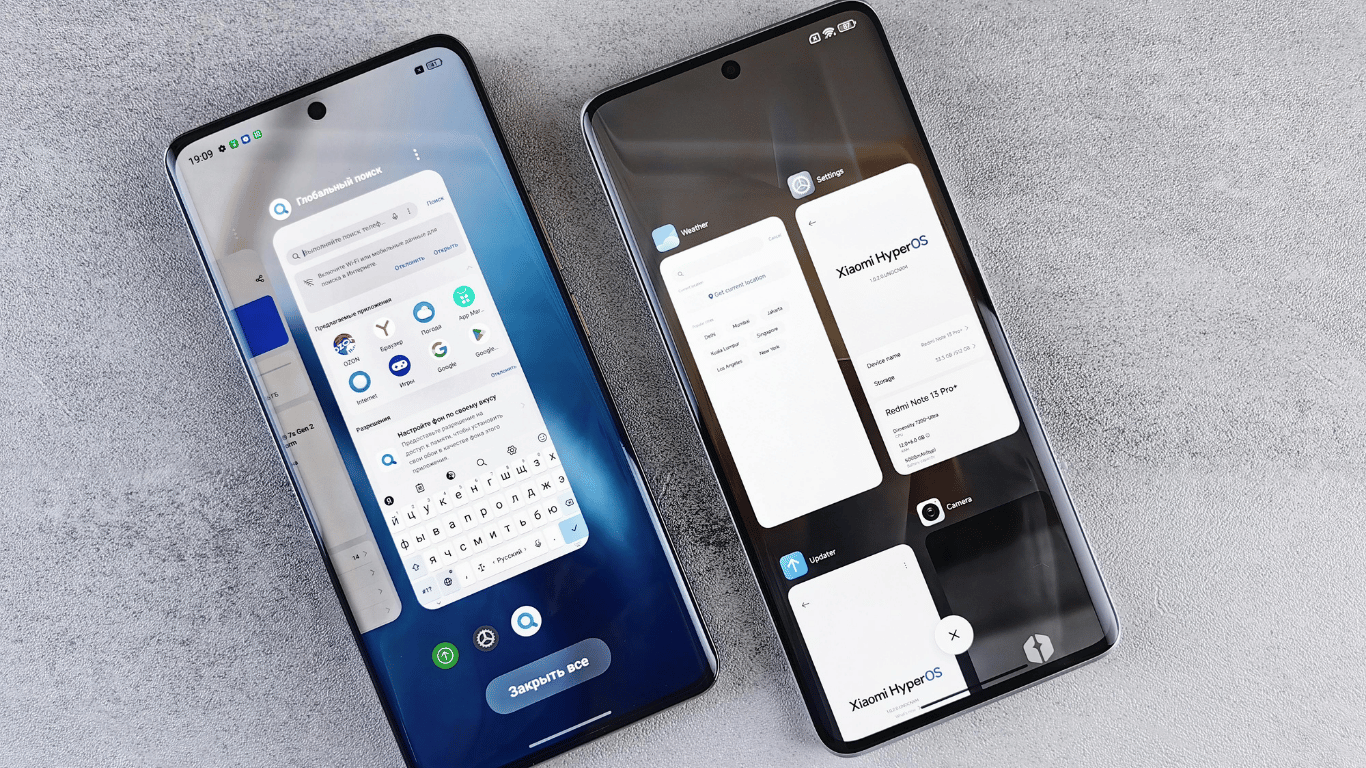
Native and cross-platform apps built for UK businesses
The Cost of Mobile App Development for UK Businesses
Simple applications developed by UK agencies typically range between £25,000 and £80,000. Complex, enterprise-grade applications frequently exceed £200,000.
Partnering with experienced international teams provides access to senior talent at reduced cost while maintaining market expertise and communication quality. Artwefx specialises in UK-focused mobile products, with typical project timelines spanning 12 to 20 weeks from initiation to App Store submission.
Starting Your Mobile Project
The fundamental error UK businesses make is prioritising features ahead of user understanding. Before writing a brief or requesting quotes, talk to your target users to identify their pain points and understand what drives them to open an app every day.
This foundational research is your most valuable contribution to a development partnership — technology selection, architecture, and design systems all follow naturally once the user problem is genuinely understood.